|
Rajasthan High Court Acting Chief Justice’s judge recommendations
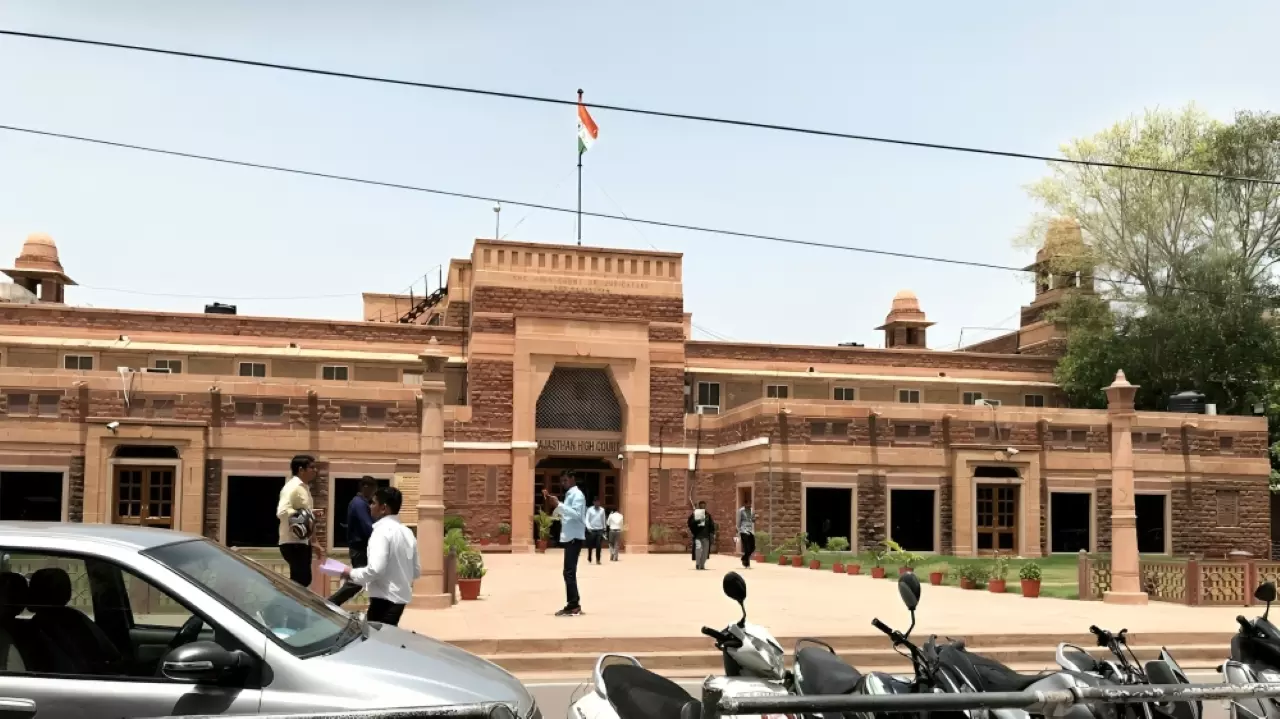
A controversy involving the Acting Chief Justice of the Rajasthan High Court brings before the Supreme Court Collegium the question of how to treat High Court judge recommendations sent by an Acting Chief Justice.
High Court Judge Recommendations by an Acting Chief Justice:
| Dimension | Key Details |
|---|---|
| Current trigger | The Supreme Court Collegium consideration comprises at least four High Court judge names recommended by the Acting Chief Justice of the Rajasthan High Court, who has held the position since late September 2025. |
| Collegium system basis | Judicial appointments to the higher judiciary in India are governed by the Collegium system, which comprises a series of Supreme Court judgments and is not written into the Constitution. |
| When an Acting Chief Justice operates | Convention provides for an Acting Chief Justice when the post of Chief Justice of a High Court falls vacant and a permanent appointment has not yet been made. |
| Who takes charge as Acting Chief Justice | Convention provides for the senior-most available judge to take charge as Acting Chief Justice. |
| Convention on recommendations by Acting Chief Justices | Convention provides for Acting Chief Justices to not make recommendations for judicial appointments. |
| Stated rationale for the convention | Vetting candidates comprises familiarity with the Bar, consultation with colleagues, and considered assessment, and Acting Chief Justice tenures are typically short. |
| Collegium approach in exceptional cases | The Collegium approach comprises varied treatments of recommendations sent by Acting Chief Justices, and it does not comprise a fixed rule. |
| Bombay High Court case (2020) | The episode comprises an Acting Chief Justice tenure from February 20 to March 19, 2020, followed by a Chief Justice tenure from March 20 to April 27, 2020; the recommending judge’s list comprises 22 names; written objections by 2 consultee judges and an affirmative view by 1 consultee judge form part of the record; Collegium action comprises forwarding 18 of 22 recommendations to the Centre; Centre action comprises returning the names; subsequent action comprises fresh lists drawn up by the High Court. |
| Rajasthan High Court case (2022) | The episode comprises Centre objections to at least 12 names on the ground that recommendations occur during the fag end of tenure; the Collegium query comprises asking for specific objections against any name based on intelligence inputs and it receives no response; subsequent action comprises Centre clearance of 8 of the 12 names. |
| Separate dispute linked to the present question | Letters to the Chief Justice of India comprise allegations of manipulation of case listings, threats to fellow judges citing closeness to the CJI, misuse of administrative powers, and an “unusually long” acting tenure; the CJI statement provides for allegations against a sitting judge to go through institutional channels and not through the media. |