|
Bar Council of India Has No Power to Discipline Law Students
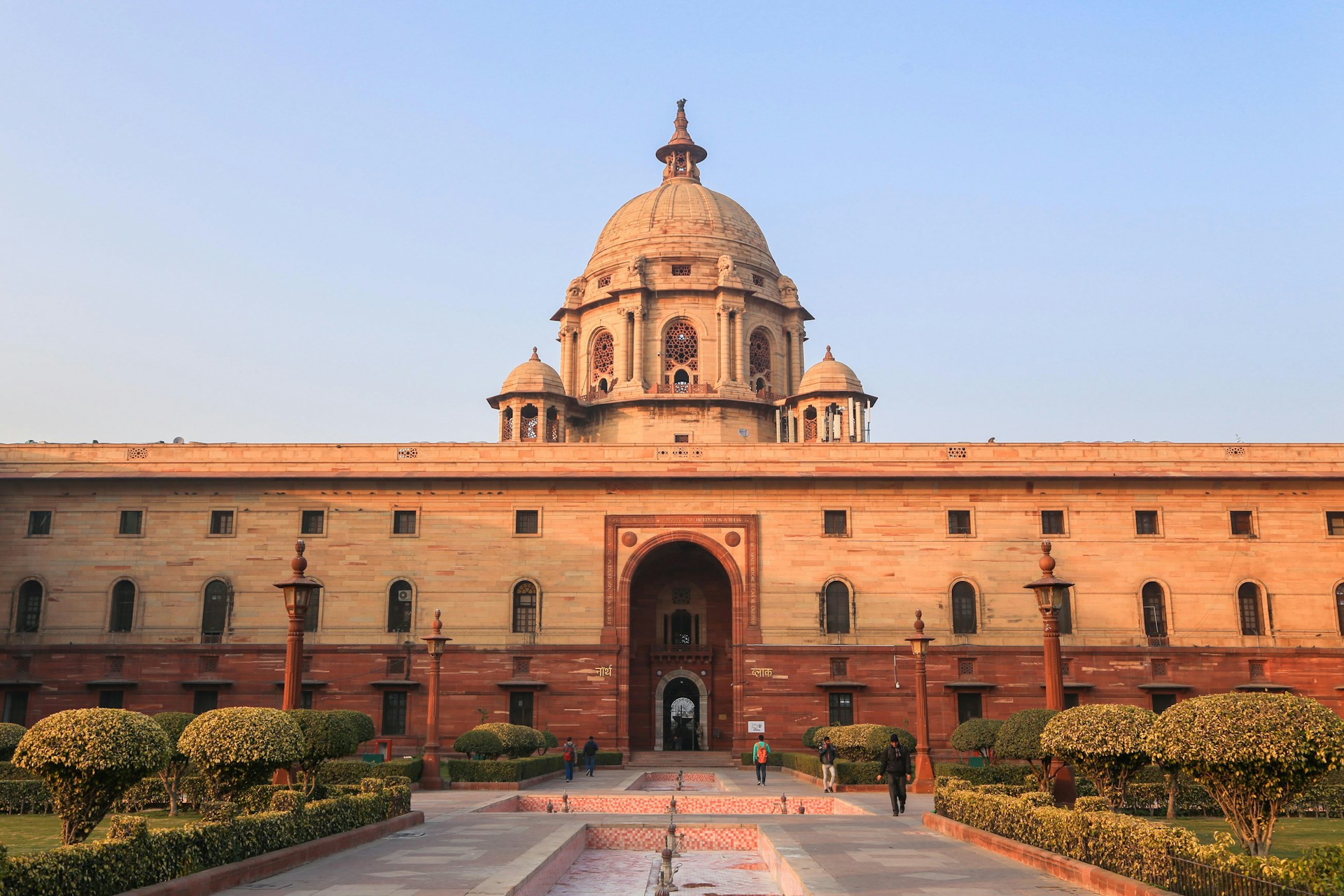
The Supreme Court declares that the Bar Council of India and its chairperson lack jurisdiction to discipline or penalise law students. The ruling brings attention to the statutory role and functions of the Bar Council of India under the Advocates Act, 1961.
Bar Council of India:
| Dimension | Key Details |
|---|---|
| Status | It is a statutory body created by Parliament. |
| Core role | Regulates and represents the Indian bar. |
| Origin | Established based on the recommendations of the All India Bar Committee. |
| Objective | Safeguards the rights, interests, and privileges of advocates throughout India. |
| Regulatory functions | Prescribes standards of professional conduct and etiquette, and exercises disciplinary jurisdiction over the bar. |
| Legal education function | Sets standards for legal education and grants recognition to Universities whose degrees in law serve as qualification for enrolment as an advocate. |
| Welfare function | Funds welfare schemes for economically weaker and physically handicapped advocates. |
| Examination function | Conducts the All India Bar Examination (AIBE) to grant a ‘Certificate of Practice’ to advocates practising law in India. |
| Foreign qualification function | Recognizes, on a reciprocal basis, foreign qualifications in law obtained outside India for admission as an advocate under this Act. |
| Composition | Comprises members elected from each State Bar Council, the Attorney General of India, and the Solicitor of India, who serve as members automatically. |
| Tenure (State Bar Council members) | The members of the State Bar Councils are elected for 5 years. |
| Chairperson selection and tenure | Authorises the Council to choose its own Chairman and Vice-Chairman from among its members, and they serve for 2 years. |