|
Supreme Court Invokes Article 142 to Quash FIRs Against NEET-UG 2026 Protesters
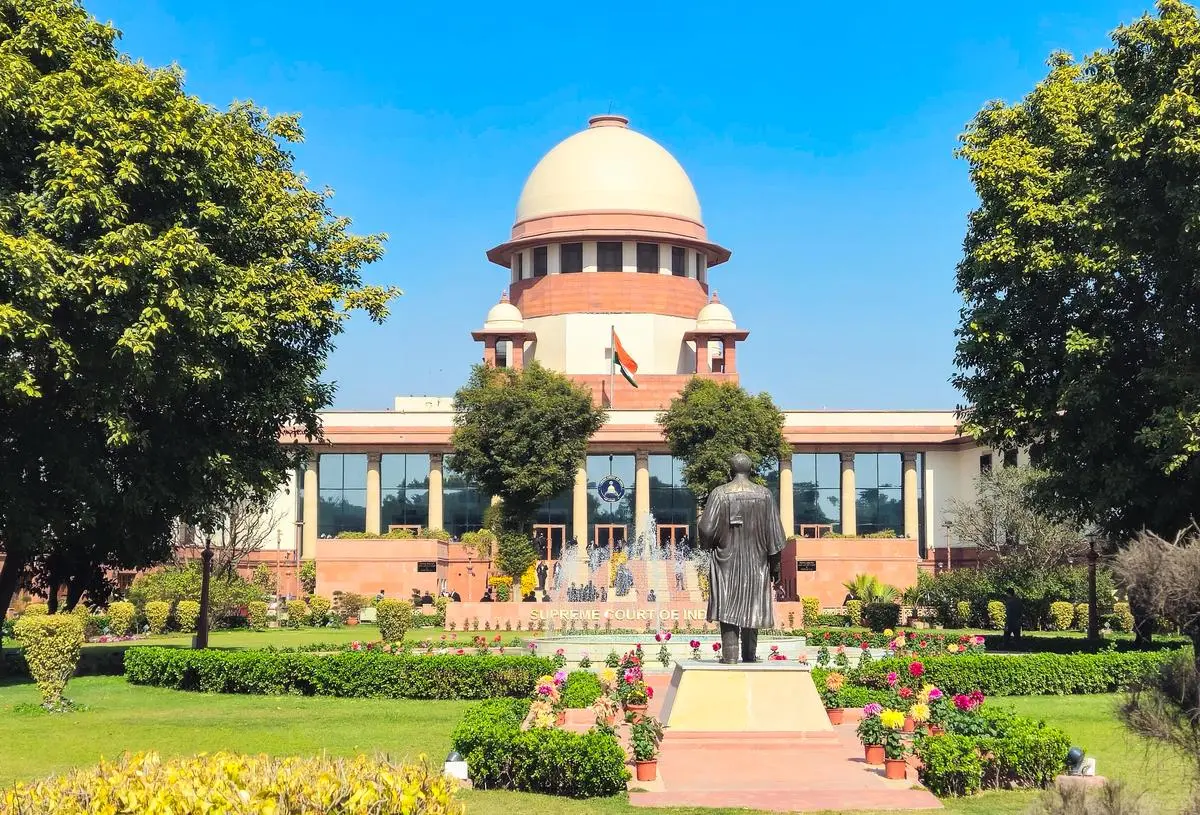
The Supreme Court invokes Article 142 to quash FIRs and criminal proceedings against Gen Z protesters linked to protests over the NEET-UG 2026 question paper leak. The development highlights the Supreme Court’s power under Article 142 to issue orders for complete justice with nationwide enforceability.
Article 142:
| Dimension | Key Details |
|---|---|
| Clause (1): Complete justice power | Article 142(1) authorises the Supreme Court, in any pending cause or matter, to issue any decree or order deemed necessary to achieve complete justice. |
| Clause (1): Enforcement scope | Any decree or order under Article 142(1) is enforceable across the entire territory of India. |
| Clause (1): Mode of enforcement | Parliament determines the method of enforcement; until such legislation is enacted, the President prescribes the mode of enforcement. |
| Clause (2): Procedural and contempt powers | Subject to any law enacted by Parliament, Article 142(2) authorises the Supreme Court, for the entirety of India, to issue orders for: securing the attendance of any individual; facilitating the discovery or production of documents; conducting investigations into, or imposing punishment for, contempt of the Supreme Court. |
| Limitations on Article 142 orders | Orders under Article 142 provide for the following limitations: they cannot supersede the Constitution or infringe upon fundamental rights; they may address legal lacunae but cannot substitute or amend statutory provisions; they must uphold principles of natural justice, including rights of non-parties and fair-hearing standards; they must be consistent with fundamental public policy considerations; they should be invoked only in extraordinary circumstances and not as a matter of routine. |