|
Google DeepMind Launches AlphaGenome Atlas
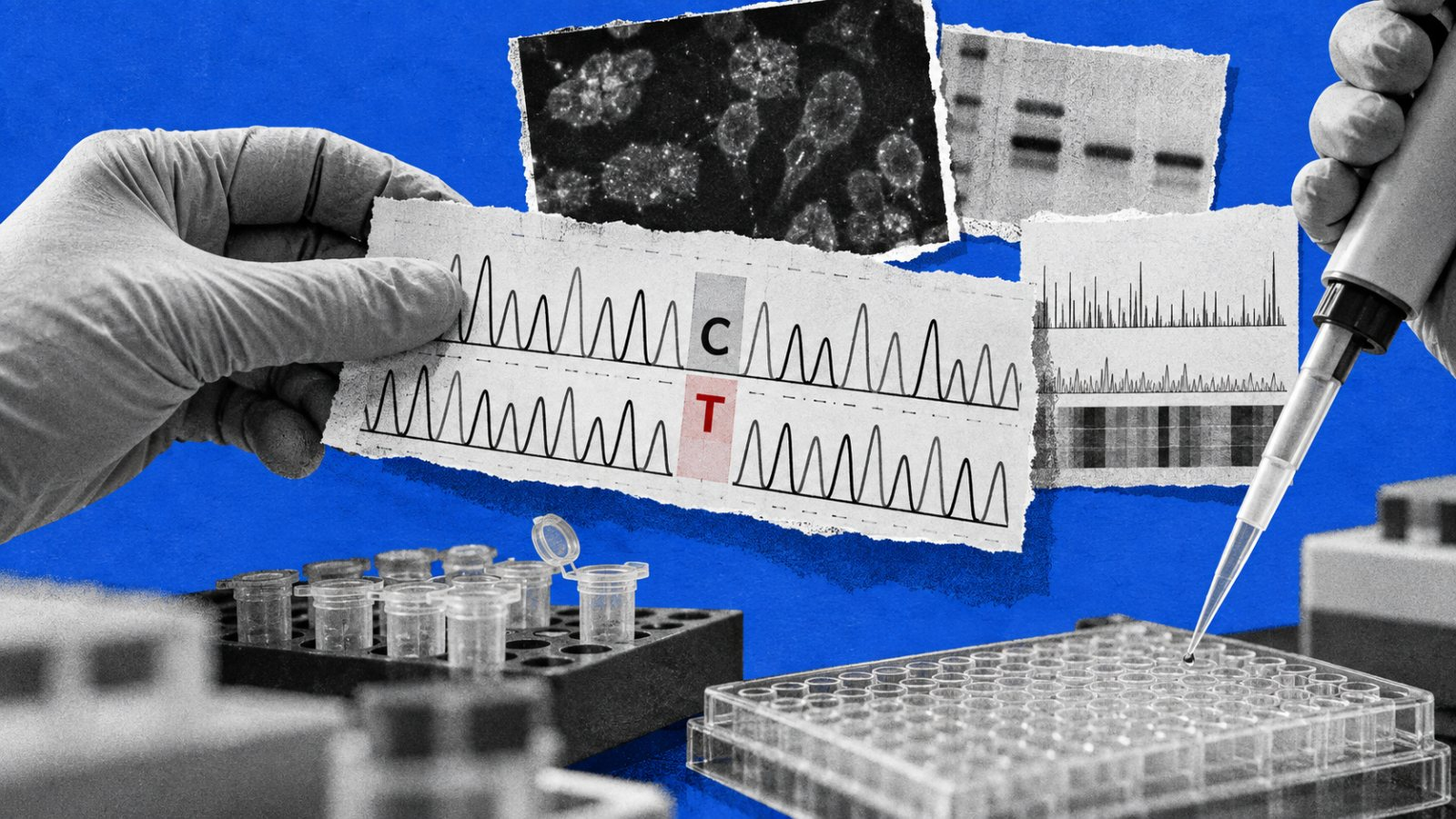
Google DeepMind launches AlphaGenome Atlas, a searchable interactive map that predicts functional and molecular impacts of single-letter DNA changes across the entire human genetic sequence. The launch provides a web-based portal and API for academic researchers to access a precomputed database without specialized coding or local high-performance computing infrastructure.
AlphaGenome Atlas (Google DeepMind):
| Dimension | Key Details |
|---|---|
| Core offering | The Atlas provides for a searchable, interactive map predicting the functional and molecular impacts of all single-letter DNA changes across the entire human genetic sequence. |
| Database scale | The Atlas comprises a ~1-petabyte precomputed digital repository powered by DeepMind’s AlphaGenome AI architecture. |
| Variant coverage | The Atlas provides for precomputing and mapping 9 billion single-nucleotide variants (SNVs) across coding and non-coding regions. |
| Access mode | The Atlas provides for free access to academic researchers through a web-based portal and API. |
| Infrastructure requirement | The Atlas provides for access requiring no specialized coding or local high-performance computing infrastructure. |
| Genome coverage (coding vs non-coding) | Protein-coding genes comprise ~2% of human DNA, and non-coding DNA comprises 98%. |
| Regulatory elements covered | The Atlas provides for evaluation of regulatory elements in non-coding DNA, comprising promoters, enhancers, and chromatin accessibility that govern when and where genes switch on or off. |
| Unified score | AlphaGenome Variant Impact (AVI) Score provides for a single unified scoring metric combining functional regulatory forecasts from AlphaGenome with protein-altering predictions from AlphaMissense. |
| Motifs and attribution | The Atlas comprises a catalog of over 2,500 recurring functional DNA sequence motifs and provides for detailed attribution breakdowns, comprising errors in RNA splicing and altered gene expression. |
| Cell and tissue models | The Atlas provides for mapping how point mutations impact cellular function across hundreds of human and mouse cell types and tissue models. |
| Use-case coverage | The Atlas provides for rare disease diagnostics, prioritizing drug targets, and hypothesis generation for downstream laboratory validation. |
| Clinical positioning | The Atlas provides for use as a high-throughput predictive engine rather than a direct clinical diagnostic tool. |