|
GCRMN’s Seventh Status Report Flags More Frequent Coral Bleaching
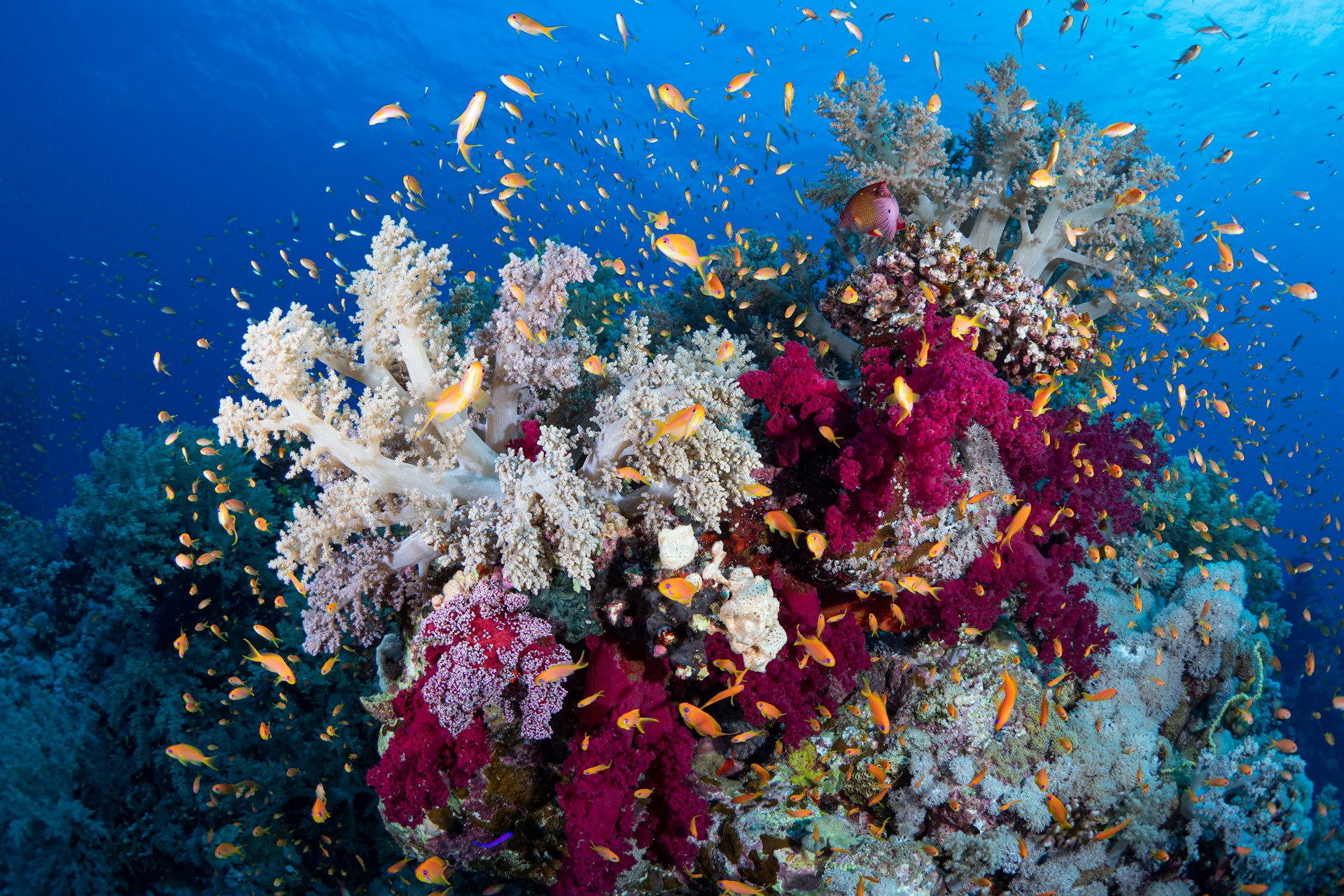
The seventh “Status of Coral Reefs of the World” report by the Global Coral Reef Monitoring Network (GCRMN) reports that coral bleaching events are becoming more frequent and recovery periods have shortened dramatically. The news highlights coral bleaching, its causes, and the biological process involving zooxanthellae inside coral polyps.
Coral Bleaching and GCRMN Seventh Status Report:
| Dimension | Key Details |
|---|---|
| Coral bleaching | Coral bleaching occurs when corals experience stress in their environment due to changes in temperature, pollution, or high levels of ocean acidity. |
| Process of coral bleaching | Under stressed conditions, the zooxanthellae living inside coral polyps start producing reactive oxygen species; corals expel the colour-giving zooxanthellae from their polyps, exposing pale white exoskeleton and ending the symbiotic relationship that helps corals survive and grow. |
| What causes coral bleaching | Causes comprise: increased ocean temperature caused by climate change; storm generated precipitation that rapidly dilutes ocean water and runoff that carries pollutants; overexposure to sunlight when temperatures are high and solar irradiance is high in shallow waters; exposure to air during extremely low tides in shallow corals. |
| Corals | Corals are marine invertebrates, and each coral is called a polyp. |
| Coral colony formation | Thousands of polyps live together to form a colony, and the colony grows when polyps multiply to make copies of themselves. |
| Coral-zooxanthellae symbiosis | Corals share a symbiotic relationship with single-celled algae called zooxanthellae: algae provide food and nutrients through photosynthesis using sunlight, and corals provide a home and key nutrients. |
| Colour of corals | Zooxanthellae give corals their bright colour. |