|
46 Vulture Carcasses Linked to Hazardous Power Infrastructure
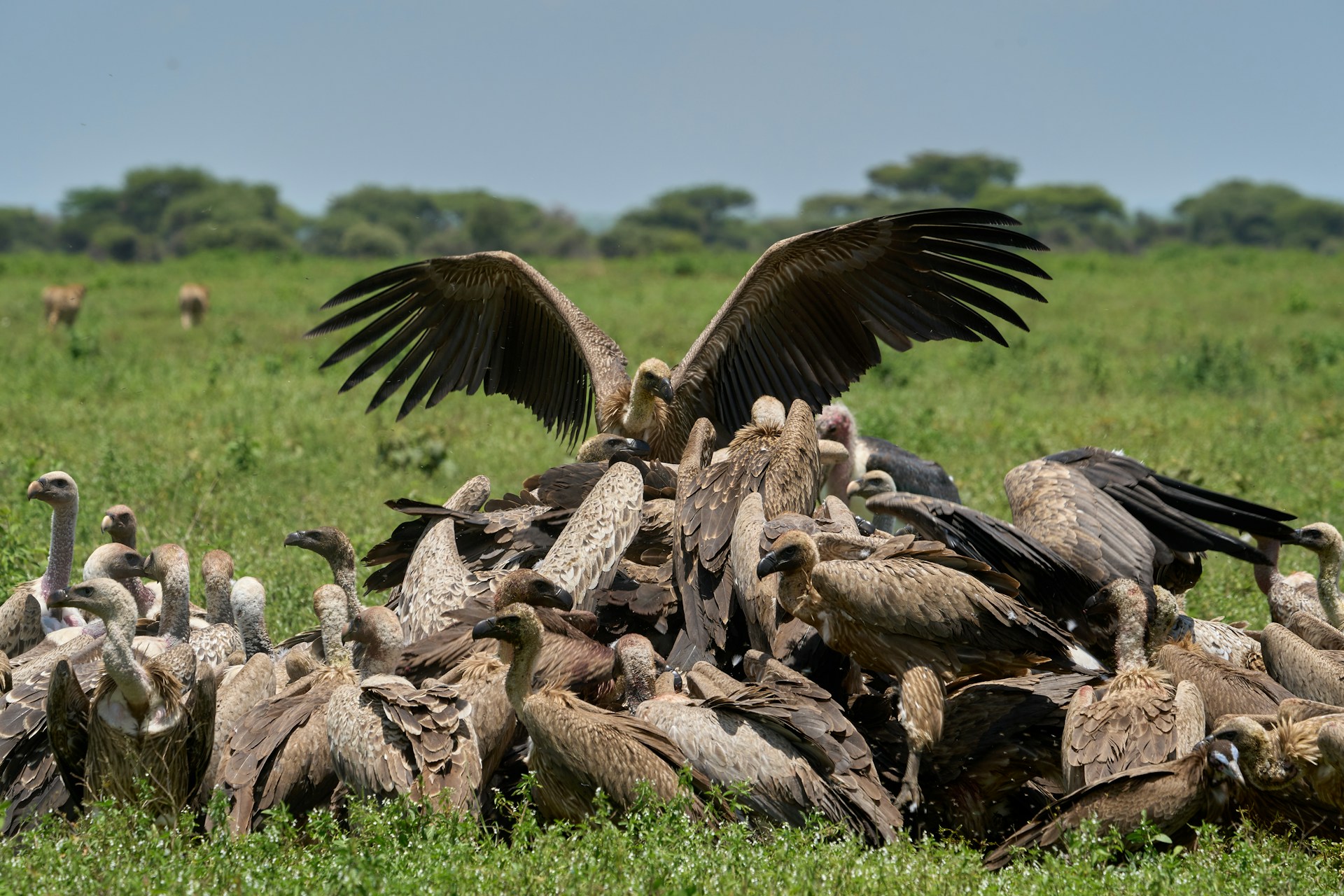
A recent study in the Journal of Threatened Taxa comprises findings on vulture mortality linked to electrocution from high-tension power infrastructure. The study comprises observations from Sudhauwala, Dehradun, where relocating a livestock carcass dumping site 2.4 km away from hazardous power lines comprises reduced recorded vulture mortality.
Vulture Electrocution and Carcass Dump Relocation:
| Dimension | Key Details |
|---|---|
| Recorded Vulture Mortality | Electrocution deaths at the site comprise 46 recorded vulture carcasses. |
| Post-relocation Result | Post-relocation monitoring comprises continued vulture use of the new site, with no mortality events recorded during limited monitoring. |
| Other Raptors Recorded at Relocated Site | Other raptors recorded at the relocated site comprise Black Kite (Milvus migrans) and Crested Serpent Eagle (Spilornis cheela). |
| Raptor | A raptor comprises a carnivorous bird of prey or a type of small-to-medium predatory dinosaur. |
| Major Threats to Vultures | Major threats comprise electrocution from power infrastructure, poisoning, veterinary non-steroidal anti-inflammatory drugs (NSAIDs), food scarcity, and habitat loss. |
| Conservation Significance | Relocating carcass dumps away from dangerous power infrastructure comprises a simple, site-specific conservation measure. |
| Conservation Significance | The Dehradun case comprises a demonstration that managing the location of food sources can reduce interaction between vultures and hazardous power infrastructure. |