|
JNCASR-IISc-University of Sydney report modified ScN with record Seebeck voltage
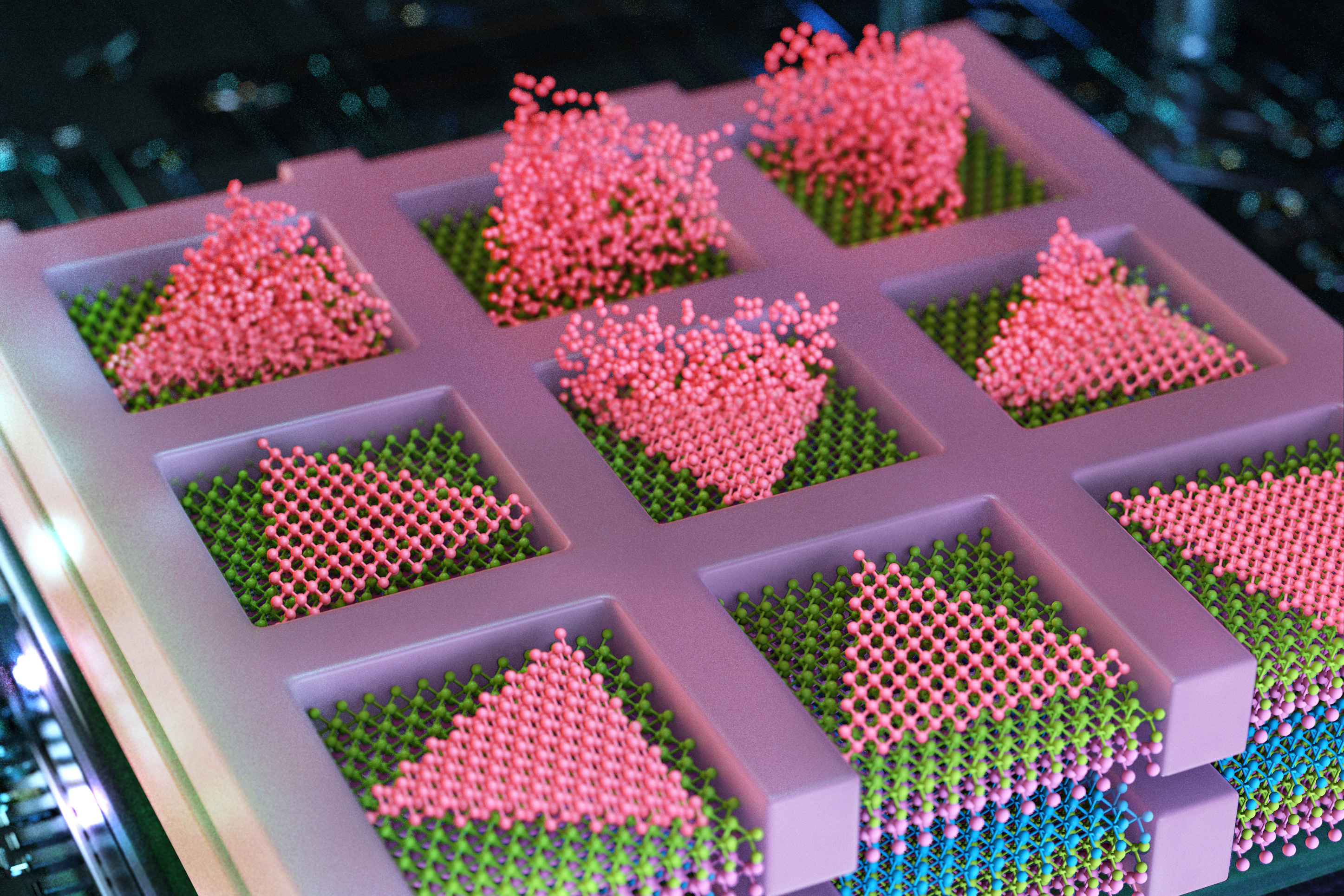
Scientists from JNCASR, IISc, and the University of Sydney discover a crystalline semiconductor that generates thermoelectric voltage far beyond the accepted limit. The report identifies modified scandium nitride (ScN) showing a record Seebeck coefficient near room temperature.
Modified Scandium Nitride (ScN) and Seebeck Effect:
| Dimension | Key Details |
|---|---|
| Seebeck effect | The Seebeck effect provides for creation of an electrical voltage when two different metals or semiconductors have one end heated and the other end cooled. |
| Principle of operation | Operation comprises a temperature difference between junctions, electron movement at the heated junction due to thermal energy, and diffusion toward the cooler side producing charge separation and measurable Seebeck voltage. |
| Earlier practical upper limit (crystalline solids) | Historically, the practical upper limit for crystalline solid materials is considered to be only a few millivolts per Kelvin. |
| Typical Seebeck coefficient ranges (materials) | Metals comprise Seebeck coefficients in tens of microvolts per Kelvin (μV/K), high-quality semiconductors comprise coefficients in hundreds of microvolts per Kelvin (μV/K), and certain liquid electrolytes and ionic systems comprise coefficients in millivolts per Kelvin (mV/K). |
| Breakthrough value (modified ScN) | Modified scandium nitride (ScN) demonstrates a Seebeck coefficient of -124.6 millivolts per Kelvin (mV/K) near room temperature, exceeding previously established limits for crystalline inorganic solids. |
| Base material used | The researchers use scandium nitride (ScN) as the base material. |
| Dopant used | Magnesium dopants are intentionally introduced into ScN. |
| Doping | Doping provides for intentional introduction of a small quantity of another element to alter the electrical properties of a semiconductor. |
| Resulting material type | The combination of ScN and magnesium provides for heavy doping and charge compensation, producing an HDHC (Heavily Doped, Highly Compensated) semiconductor. |