|
Article 17 Test for Caste-Based Purity Rituals
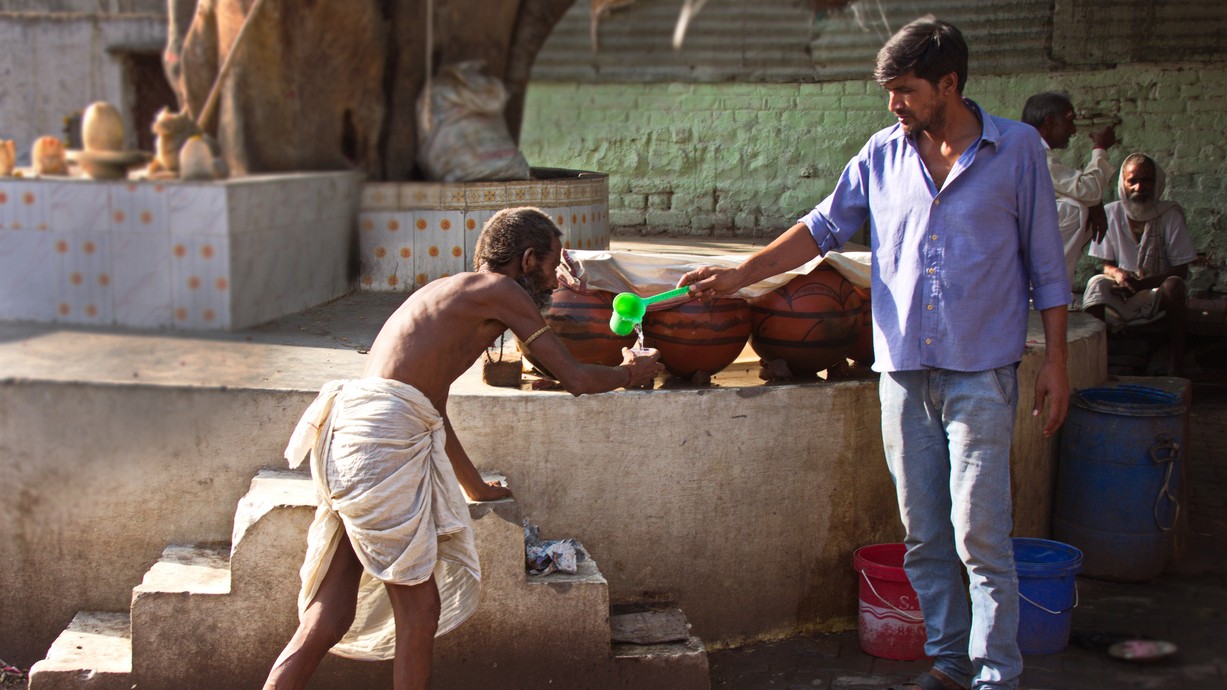
A “shuddhikaran” (purification) ritual at Haldwani’s Ramlila ground, performed after a Dalit person has used the venue, triggers a controversy on whether it amounts to “untouchability” under Article 17 and related law.
The episode raises the issue of whether “purification” of a place, without denial of entry, can still be treated as untouchability “in any form” under constitutional and statutory provisions.
Article 17, Protection of Civil Rights Act and Related Cases:
| Dimension | Key Details |
|---|---|
| Article 17 | Article 17 provides for abolition of “untouchability,” forbids its practice “in any form,” and authorises punishment for enforcement of any disability arising from it. |
| Definition status | The Constitution does not define “untouchability.” |
| Enforceability | The Supreme Court provides for Article 17 being enforceable against non-State actors as well. |
| Operational law for Article 17 | Parliament operationalises Article 17 through the Untouchability (Offences) Act, 1955, which has been renamed the Protection of Civil Rights Act, 1955 after a 1976 amendment. |
| Protection of Civil Rights Act, 1955: penalised acts | The Act penalises preaching and practice of untouchability, and enforcement of disabilities, covering denial of temple entry, social disabilities, and discrimination in public facilities. |
| PCR Act: Section 7(1)(d) | Section 7(1)(d) provides for punishment for insulting a Scheduled Caste member “on the ground of untouchability,” and mandates that the insult be connected to untouchability, not merely humiliating. |
| Supreme Court case (2024) | Sukanya Shantha v Union of India (2024) comprises a holding that links untouchability to caste-based notions of “purity and pollution,” and provides for Article 17’s scope not being restricted by the absence of a constitutional definition. |
| Principle stated in Sukanya Shantha (2024) | The judgment provides for the principle: “There cannot be any stigma attached to the existence, touch or presence of any person.” |
| Rajasthan High Court case (1988) | Surya Narayan Choudhary v State of Rajasthan (1988) comprises a finding that permitting Dalit devotees temple entry only after a purification process is an additional discriminatory condition, and the court directs discontinuation as violative of Articles 14, 15, and 17. |
| Separate criminal regime (SC/ST Act) | Article 17 and the Protection of Civil Rights Act are distinguished from the separate criminal regime under the SC/ST (Prevention of Atrocities) Act, 1989. |
| SC/ST (Prevention of Atrocities) Act, 1989: Section 3(1)(r) | Section 3(1)(r) provides for punishment for intentional insult or intimidation of an SC/ST member with intent to humiliate, in a place within public view, by a non-SC/ST person. |
| Supreme Court interpretation (2020) | Hitesh Verma v State of Uttarakhand (2020) provides for the rule that not every insult to an SC/ST person attracts Section 3(1)(r), and mandates that the insult be connected to the person’s caste identity. |
| Case on “public view” ingredient (2026) | Gunjan @ Girija Kumari v State (NCT of Delhi) (2026) provides for the rule that “public view” is an essential ingredient for the offence under Section 3(1)(r). |
| Legal test referenced for the Haldwani episode | The determining factor provides for evidence of a caste-based connection, namely whether the venue is seen as needing cleansing due to caste-based notions of pollution attached to a person’s touch or presence, and mandates assessment based on underlying caste connection rather than label or timing. |