|
1 in 10 Butterfly Species Shifting Range Under Climate Change
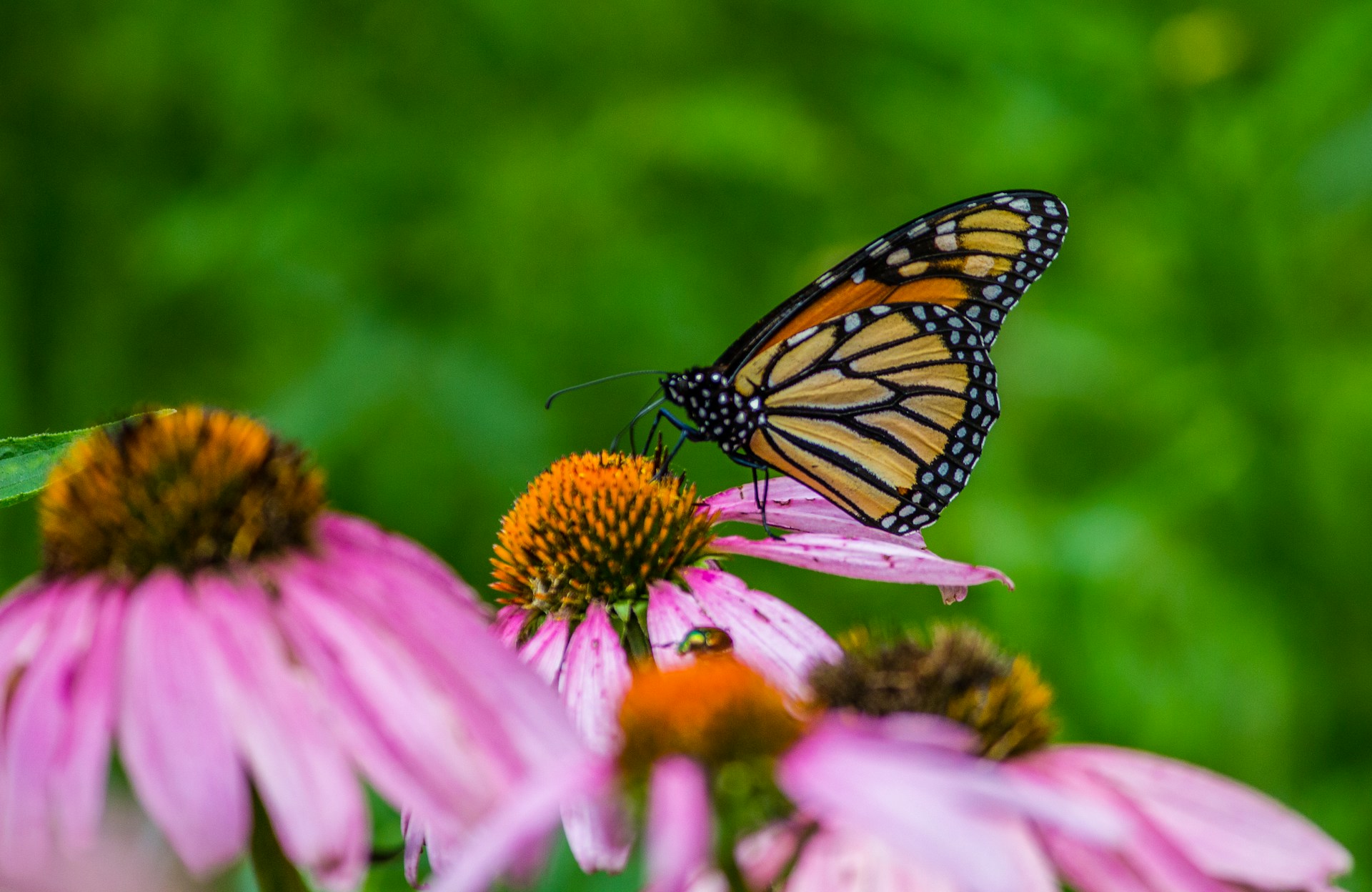
A comprehensive study has revealed that about 1 in every 10 butterfly species alters its geographic range or shifts to different elevations in response to changing environmental conditions. The study flags habitat-level drivers and survival impacts, with shrinking ranges heavily documented in Europe and North America, and elevation shifts primarily observed in the Northern Hemisphere.
Butterfly Range Shifts Under Climate Change:
| Dimension | Key Details |
|---|---|
| Habitat impacts | Key impacts comprise: temperature shifts pushing butterflies toward cooler high-altitude or high-latitude regions; timing mismatches as plants flower earlier leaving caterpillars without food when they hatch; drought and heat killing host plants and drying up essential water sources; habitat loss as extreme weather destroys fragile local ecosystems and native vegetation. |
| Effects on survival | Effects comprise: shorter migration as some species alter long-standing seasonal migration paths; lower numbers as populations drop when reproduction rates fall and stress increases; range reduction as habitats shrink and isolate different groups from each other. |
| Complex range-change pattern | Some species comprise dual patterns expanding in one direction while simultaneously dying out in another, creating long-term survival uncertainty. |
| Notable species examples | Examples comprise: Tawny Coster (native to India, Sri Lanka, and Bangladesh) spreading across Australia at ~135 km/year since first recorded in 2012; Godartiana byses (Blue Butterfly) in Brazil expanding south from Rio de Janeiro and Bahia into São Paulo; Small Blue (Cupido minimus) in the United Kingdom experiencing severe range contraction; Cranberry Fritillary in Germany losing habitat rapidly due to draining of peat bogs; Danube Clouded Yellow in Romania with range shrinking due to intensive agricultural practices. |